Guides for electricians
How the NEC calculations behind our free tools work, with worked examples, and how to turn the answer into a price.
Updated
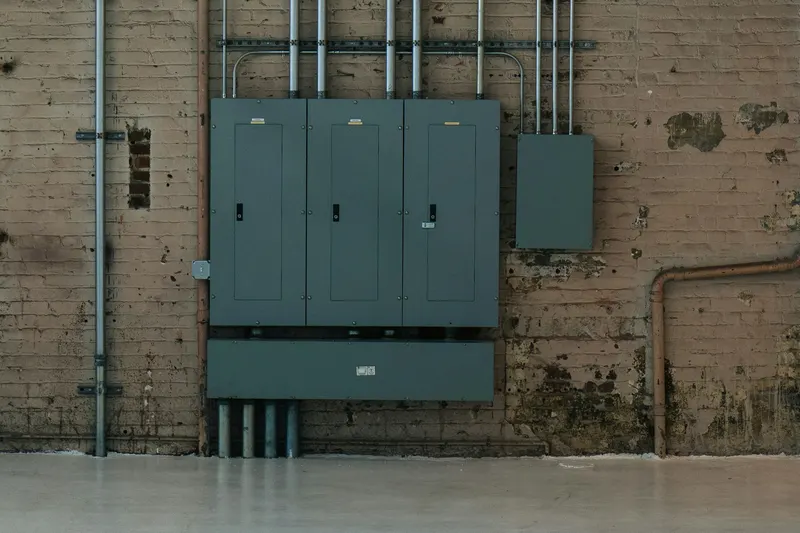
How to calculate box fill under NEC 314.16
Box fill is a volume check: add up the allowance of everything in the box and compare it with the box volume. This guide walks through each counting rule and two worked examples.
· 4 min read
How to calculate conduit fill under the NEC
Conduit fill is an area comparison: the wires you pull against the percentage of the raceway the NEC lets you use. Here is the whole method, with two worked examples run through the same code as the calculator.
· 5 min read
How to Calculate Voltage Drop
Voltage drop is current times the resistance of the wire, counted over the full length of the circuit. This guide gives the single-phase and three-phase formulas, where the resistance numbers come from, and three worked examples.
· 4 min read
How to Price Electrical Work
What you pay a tech by the hour is not what you can bill. This guide walks from wage to break-even rate to a finished line price, with every figure computed from a worked example.
· 5 min read
How to read NEC Table 310.16, the wire ampacity chart
Table 310.16 lists the ampacity of copper and aluminum conductors, but the number you may use depends on the column, the terminals and the conditions. Here is how to get from the table to the right wire.
· 5 min read
Existing dwelling load calculation: can the service take the new load?
Before you add an EV charger, heat pump or range to an existing house, run the existing-dwelling optional calculation: 120.83 in the NEC 2026, 220.83 in the NEC 2023. It tells you whether the service rating still covers the house with the new load on it.
· 6 min read